Chemical compounds, despite it’s confusing properties like VESPER, hybridization, functional groups and molecular geometry (chiral, enantiomers ,diastereomers etc.) can have some fun and silliness in naming them due to its unique properties or structures.
However, it would be useful to show you how normal chemical compounds are named to show the difference of how these ones and the fun ones are named 🙂
To start off though, any organic compound (has a C-H) bond is named using the following conventions: First, the longest chain is identified. Then the functional groups are located which influence the name of the compound. and then alphabetize.
For a better visual, refer to the visual below:
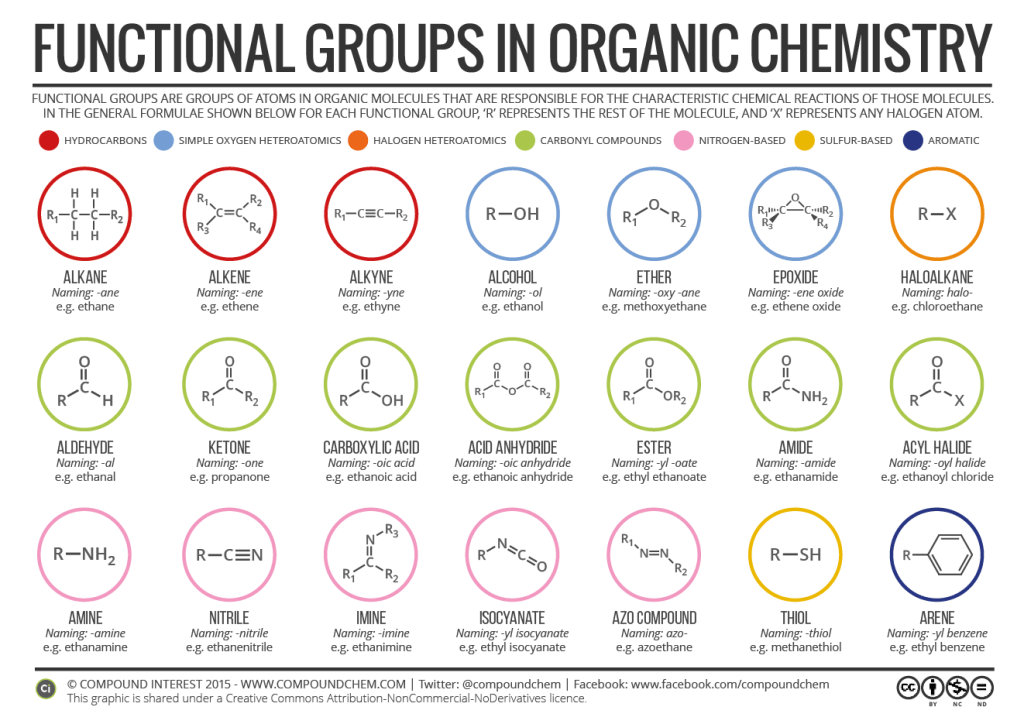
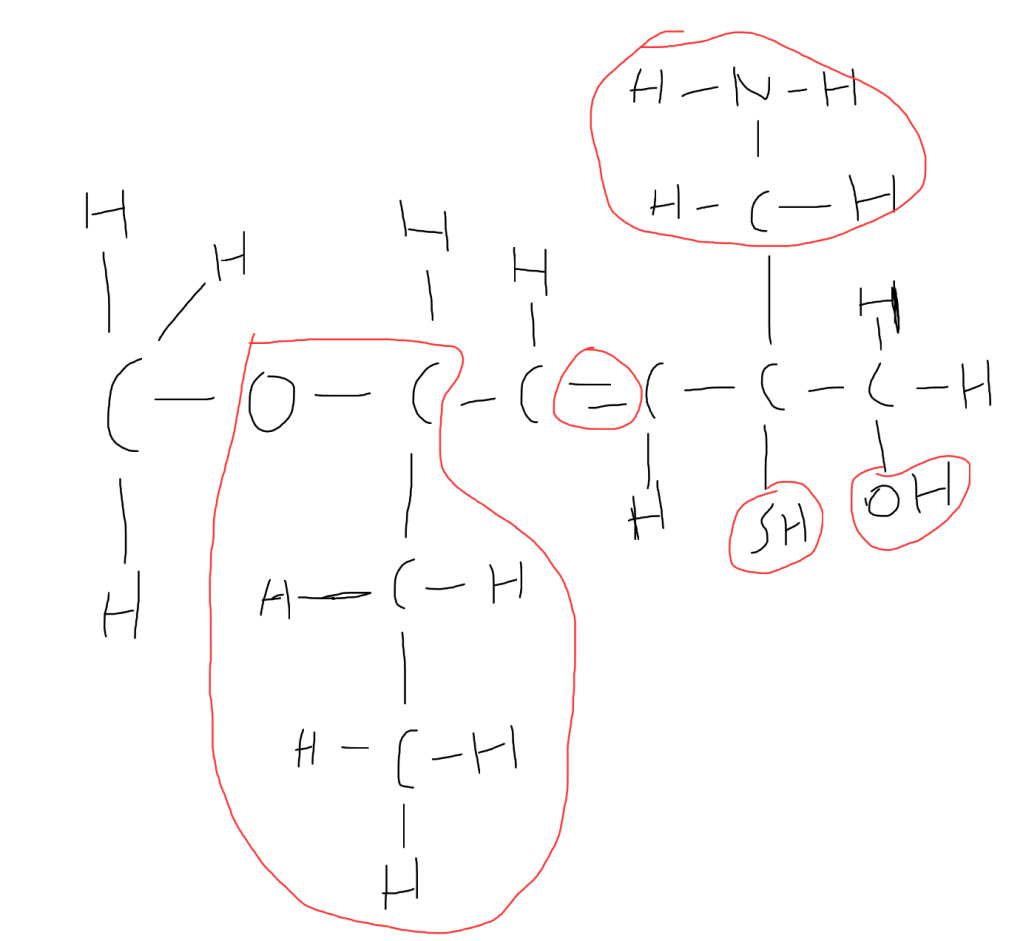
So for example if I had a molecule like CH3-O-CH3(CH2CH3)-CH=CH-C(CH2NH2)(SH)-CH2-OH, it would be named 2-(aminomethyl)-2-thiol-5-methoxyhept-3-ene-1-ol (This may seem complicated but it will make sense with time and practice)
Here is the molecule drawn for visual learners (things circled in red are functional groups which impact how the molecule gets its name):
This process of naming molecules is repetitive and as interesting as the functional groups are, it gets boring once in a while.
Here are now some fun and strange chemical compound names and how they’re named non-traditionally!
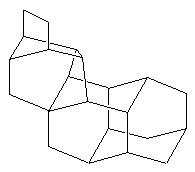
Bastardane: It’s a relative of the compound adamantane. However it has an unusual ethano bridge (adding this to a compound introduces a specific geometry that locks functional groups in certain positions), which is why it came to be known as Bastardane: the “unwanted child”. The original name given to this was “Nonacyclo-docosane, a Bastard Tetramantane”. Poor molecule :(. At least it is being studied in nanotechnology for potential use in the future
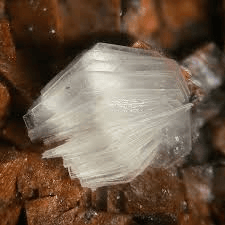
Dickite: This molecule is actually used in ceramics, rubber and glossy paper. It’s poor name came because a man named Thomas Dick discovered it in 1890s. (The actual name of this compound would be extremely long)
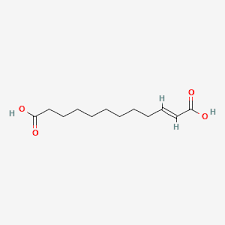
Traumatic acid: This is named for all the trauma us chemists have to experience. Just kidding, it was named because it causes injured cells to divide and repair physical trauma. It can actually reduce stress in humans and is used as a natural plant growth regulator. Don’t believe the compound by its name. This molecule is also relatively simpler compared to others.
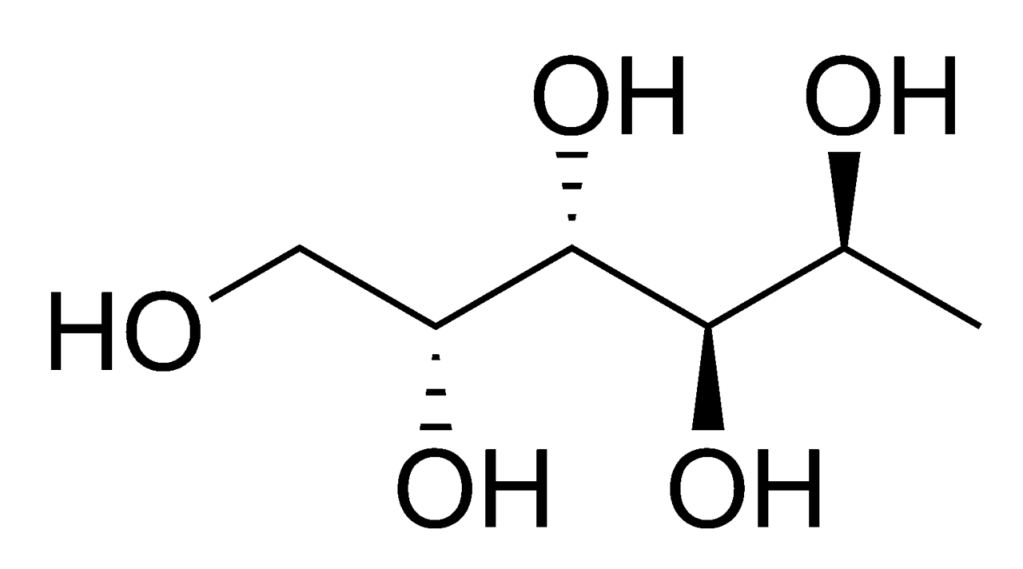
Fucitol: Unlike the others ones, this was actually named using the IUPAC naming style (Real name is 1-deoxy-D-galactitol but that’s too long to pronounce). Sadly, it didn’t turn out well (Try to pronounce it)! This molecule is derived the sugar fucose and after some further studying and Japanese article production, fucose was abbreviated to “fuc-K”. This molecule is still used in the laboratories and in some pharmaceutical areas.
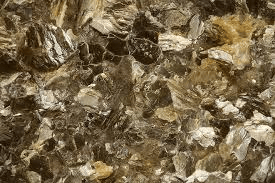
Kinoshitalite: Another compound under the victim of Japanese naming. Ki = tree and shita = under (lite is used for standard naming of geographic solids). It is however, very rare to find and dig up due to its low flexibility which makes it hard to mine. No commercial uses.
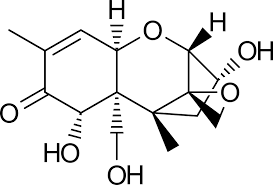
(Last but not least) Vomitoxin: It’s proper name is deoxynivalenol, but because it can make pig vomits (which is impressive considering it’s a pig), it earned the worthy title of vomitoxin. This is the only toxic compound on this list obviously. It grows on barely, wheat that leads to immune suppression and nausea in humans.
It is important to note that while all of these names are very fun, they do have real names and are usually a tribute to a person. Here are the images (and thanks for reading!):
 Brandon Zhang :)
Leave a comment